-
✓
1. Who really operates the flight. Ask for the legal name of the certificate holder and its FAA Part 135 certificate number, not just the broker's brand. In the US a broker must tell you this under Part 295.
-
✓
2. The aircraft is on that certificate. Ask for the page of the operator's operations specifications (the D085 aircraft list) showing the tail number you will fly on. If the tail changes, the check is done again.
-
✓
3. DOT economic authority and no grey charter. The operator must hold DOT authority to carry passengers for hire, and operational control must sit with that operator, not with an owner or a management company renting out a private jet.
-
✓
4. A third-party audit, with the tier and date. ARGUS Gold or Platinum, Wyvern Registered or Wingman, or IS-BAO Stage 2 or 3. Ask when the audit was done and check the public registry. "ARGUS-rated" alone is not an answer.
-
✓
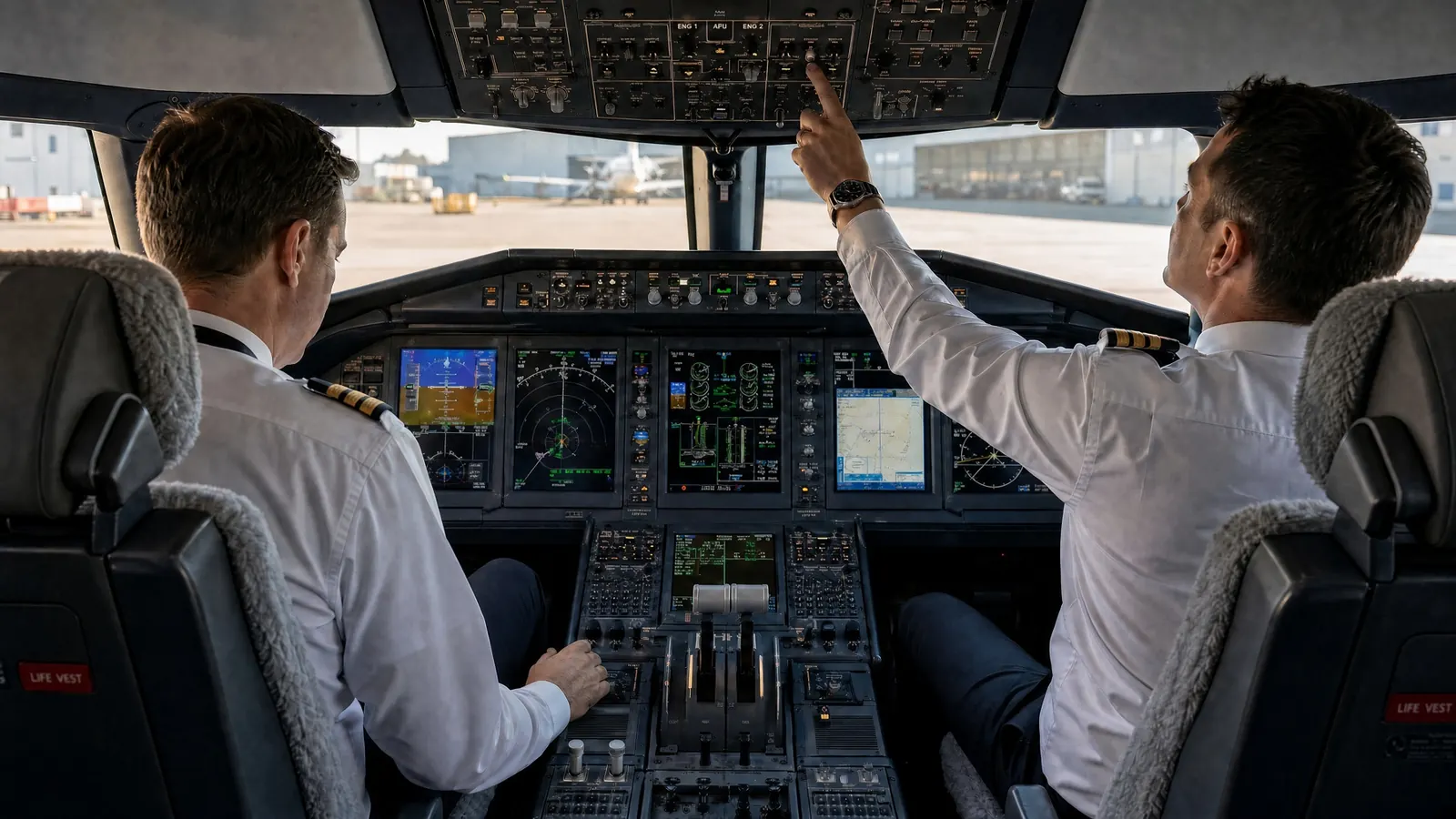
5. Two pilots, and their experience. Total time, time in type, both type-rated. How the operator assesses risk for each flight, including weather and icing. For international trips, experience on that routing.
-
✓
6. A safety management system that is used. Audited operators run an SMS: hazards reported, risks assessed before each flight, lessons fed back into training. Ask how it works in practice.
-
✓
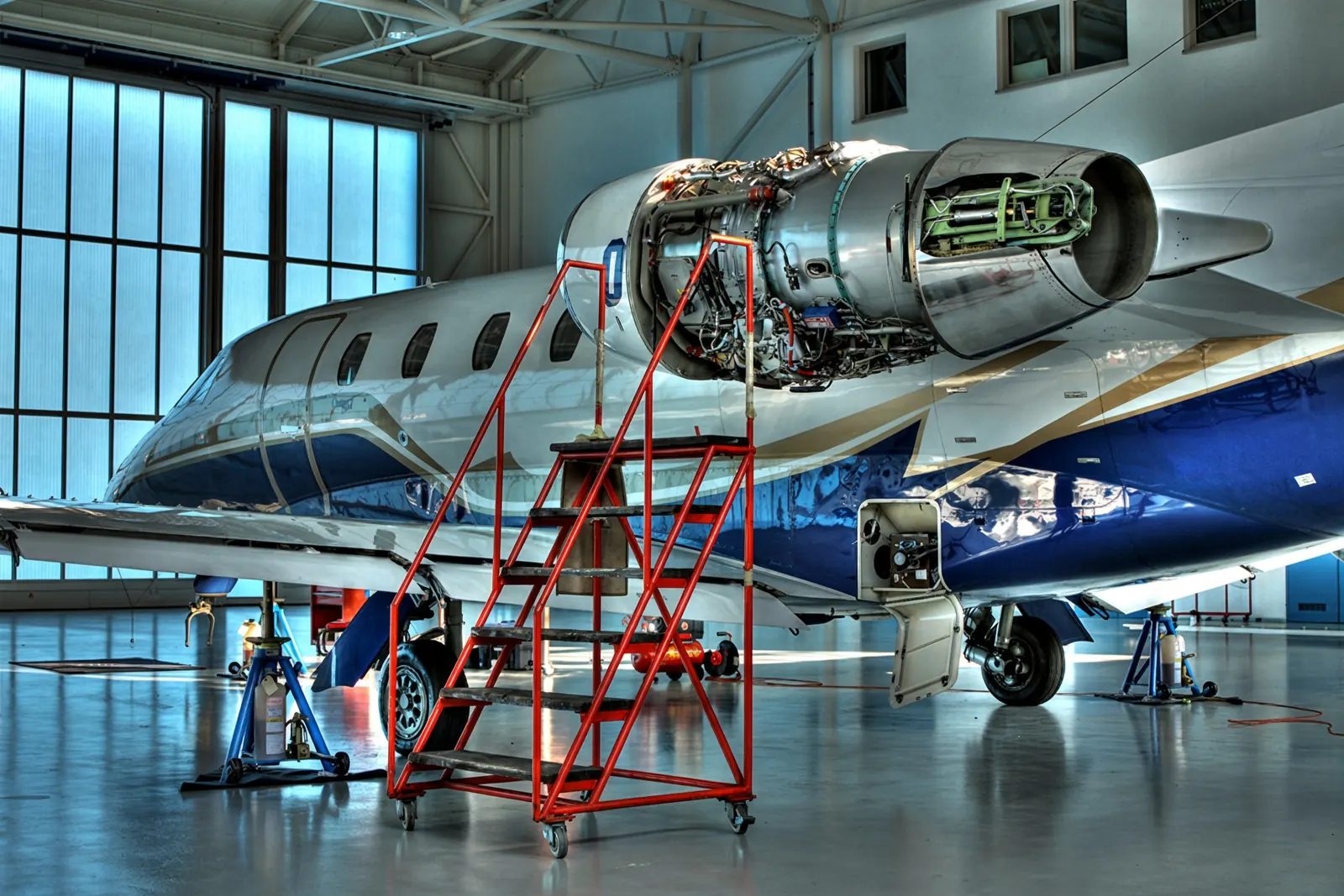
7. The aircraft and its maintenance. Registration, age, and whether the aircraft is on a manufacturer-recommended or equivalent maintenance program with a named maintenance provider.
-
✓
8. Accident and incident history. The NTSB's public records for the operator and the tail number. One event is a question to ask; a pattern is a reason to walk away.
-
✓
9. Insurance that fits the flight. Hull and liability coverage in force on the date of travel, at a level appropriate to the aircraft and the number of passengers. Ask to see the certificate of insurance.
-
✓
10. The contract names the operator. Your charter agreement should name the operating carrier and the aircraft, and commit to telling you, and re-vetting, if either changes.